
Inland Marine Insurance
Protecting Alabama Businesses When Your Property Leaves the Building.
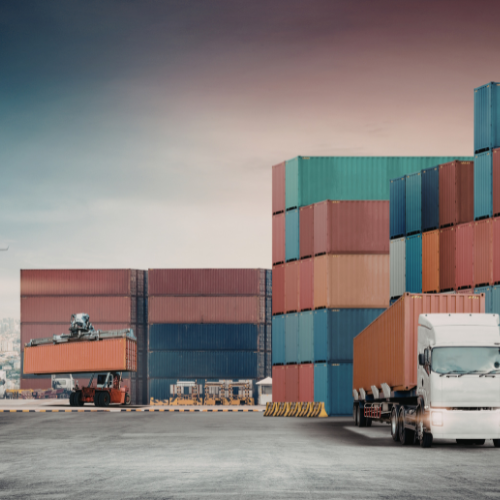
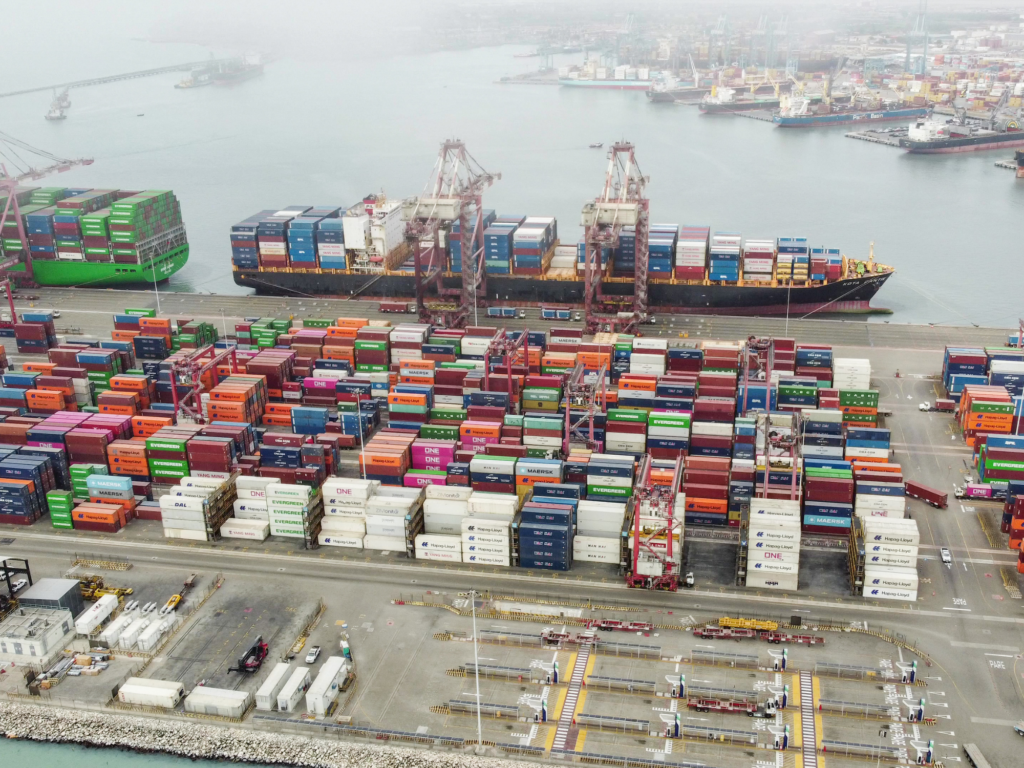
Standard commercial property insurance is built around a fixed location — it protects your building, your equipment, and your inventory while they sit at your primary place of business. The moment that property moves — to a job site, to a client location, to a storage facility, into a vehicle, or onto a transport truck — that protection often ends. For businesses that regularly move valuable property, equipment, tools, or goods as part of how they operate, that gap in coverage is not a technicality. It is a real and recurring financial exposure. At Mythic Insurance, we help Alabama businesses identify where their property goes and make sure it’s covered every step of the way with the right inland marine policy.
Coverage That Travels With You
Inland marine insurance protects property in transit — tools on the way to a job site, equipment being transported between locations, goods moving through your supply chain. When your property is in motion, standard property coverage stops working. Inland marine coverage keeps working regardless of where your property is or how it got there.
Your Tools Are Your Business
For contractors, trades workers, and service businesses, specialized tools and equipment are the foundation of every job. Replacing stolen or damaged tools out of pocket can mean weeks of lost productivity while waiting for replacements. Inland marine coverage protects those tools whether they’re on a job site, in a vehicle, or stored at a temporary location — so a theft or accident doesn’t sideline your operation.
High-Value Property Needs Dedicated Coverage
Cameras, medical equipment, fine art, scientific instruments, and other high-value specialty items are routinely underinsured under standard property policies — which often carry sublimits or broad exclusions that leave the most valuable items inadequately protected. Inland marine coverage is designed to provide dedicated, scheduled protection for the property that matters most to your operation.
Peace of Mind for Property That Never Stays in One Place
The Gap Between Your Property Policy and Reality
Most commercial property insurance policies contain language that limits coverage to property at a specified location — your building, your office, or the premises listed on the policy declarations page. For businesses that operate entirely within those four walls, that limitation may never matter. But for contractors who move equipment between job sites every day, distributors who transport inventory across multiple counties, photographers and videographers who carry expensive gear into the field, or medical equipment companies that deliver and service devices at patient locations, the fixed-location limitation of a standard property policy creates a significant and recurring gap. Inland marine insurance was specifically developed to address that gap by extending property protection to cover goods, equipment, and specialty items wherever they travel and wherever they are stored.
Not All Property Losses Happen at Home Base
The tools stolen from a contractor's truck overnight. The medical device damaged during delivery to a client facility. The camera equipment dropped during a location shoot. The fine art damaged while on loan to a gallery. The contractor's equipment destroyed by fire at a remote job site. Each of these losses occurs away from the policyholder's primary business location — and in each case, a standard commercial property policy may provide little or no coverage. Inland marine insurance fills those gaps specifically, providing coverage that follows the property regardless of where the loss occurs rather than being anchored to a fixed address.
Specialty Items Require Specialty Coverage
Certain categories of high-value property create unique coverage challenges that standard commercial property policies are not designed to address adequately. Scientific instruments, medical diagnostic equipment, film and broadcast production equipment, fine art and collectibles, contractor's tools and equipment, and specialized electronics routinely carry values that exceed the sublimits in standard policies — or fall under exclusions that leave them entirely unprotected. Inland marine policies can be structured to provide scheduled coverage for these items at their full replacement value, with coverage that applies regardless of where the loss occurs and without the artificial sublimits that leave standard policyholders underinsured for their most valuable assets.
⭐⭐⭐⭐⭐ What Our Clients Are Saying
"We do electrical contracting work across multiple job sites and our tools and equipment are constantly on the move. We had a significant theft from one of our job sites — power tools, testing equipment, the works — and our standard commercial property policy didn't cover any of it because the loss happened away from our office. Mythic had added an inland marine policy to our coverage the previous year and it covered the entire loss. That one claim more than paid for years of premiums."
"I run a medical equipment distribution business and we regularly transport high-value devices to hospitals and clinical facilities across the state. I assumed our commercial auto policy covered the equipment in transit. Mythic helped me understand that it only covered the vehicle — not the cargo. We now have an inland marine policy that covers our equipment from the moment it leaves our warehouse to the moment it's installed at a client location. That peace of mind is worth every dollar of the premium."
"As a commercial photographer I carry expensive camera bodies, lenses, lighting equipment, and drones to every shoot. My standard business property policy had sublimits that would have covered maybe a third of what I'd need to replace if everything was stolen or damaged. Inland marine coverage gave me scheduled protection at full replacement value for all of my equipment — wherever I'm shooting. Mythic made the whole process easy and the premium was very reasonable for the coverage I got."
What Is Inland Marine Insurance — and What Does It Actually Cover?
Inland marine insurance is a commercial property coverage product that protects moveable property, property in transit, and property stored at locations other than the policyholder’s primary business premises. Despite the nautical sound of its name — which traces back to the historical connection between marine cargo insurance and the protection of goods transported overland — inland marine is entirely land-based and has nothing to do with boats or waterways. It is simply the coverage category that addresses property that moves, travels, or operates away from a fixed location.
The origins of inland marine insurance lie in the need to protect goods being transported from one location to another when standard property insurance stopped at the loading dock. Over time, the coverage evolved to encompass a much broader range of moveable and specialty property categories, and today inland marine policies cover everything from contractor’s tools and medical equipment to fine art, electronics, and scientific instruments.
There are several distinct categories of inland marine coverage, each addressing a specific type of property or risk. Contractor’s tools and equipment coverage is among the most common and covers the tools, machinery, and portable equipment that contractors, trades workers, and construction companies use on job sites. Unlike property policies that require losses to occur at a listed premises, contractor’s equipment coverage follows the tools wherever they go — job sites, storage yards, vehicles, and temporary staging areas.
Installation floater coverage is a specialized inland marine product for contractors who purchase materials and equipment that will be incorporated into a construction project. It covers those materials from the time of purchase through transportation and installation, filling the coverage gap that exists before a builder’s risk policy takes over or after it expires.
Transportation floater coverage — sometimes called a cargo floater — protects goods while they are being transported from one location to another. This coverage is essential for businesses that regularly ship or transport inventory, finished goods, or materials as part of their operations, and it applies regardless of whether the transport is conducted by the business’s own vehicles or by a third-party carrier.
Bailee’s customer coverage protects businesses that are responsible for the property of others while it is in their care, custody, or control. Dry cleaners, repair shops, storage facilities, and other service businesses that regularly hold customer property are exposed to claims if that property is damaged or lost while in their possession. Bailee’s coverage addresses those third-party property liability claims specifically.
Fine art and scheduled property coverage provides dedicated, agreed-value protection for high-value items that are specifically listed on the policy — artworks, musical instruments, scientific instruments, medical equipment, film and broadcast gear, and other specialty items whose value exceeds what standard property policy sublimits would cover. Scheduling these items on an inland marine policy ensures they are covered at their actual value with coverage that applies regardless of where the loss occurs.
Electronic data processing coverage protects computer equipment, servers, and related electronic systems that are used at locations other than the primary business premises — a particularly relevant coverage for businesses with remote workers, mobile operations, or equipment deployed at client sites.
What inland marine insurance does not cover is important to understand. Standard inland marine policies do not cover losses caused by wear and tear, mechanical breakdown, or gradual deterioration — those require equipment breakdown coverage. They also do not cover property permanently installed in a building, which falls under commercial property coverage, or liability claims arising from the use of property in transit, which require commercial auto or general liability coverage. Flood and earthquake losses may be excluded or require separate endorsements depending on the policy form.
At Mythic Insurance, we map the full movement pattern of your business property before recommending an inland marine structure. We look at what property your business moves, where it goes, how it’s transported, who else may have custody of it, and what its replacement value actually is — because inland marine coverage that’s built around your specific property profile performs very differently from a generic scheduled property policy when a loss actually occurs.

Our Approach
Mobile-First. Property-Specific. Built for How Alabama Businesses Actually Operate.

Map Where Your Property Goes
Inland marine coverage starts with understanding the full movement pattern of your business property — what it is, where it travels, how it's transported, who handles it along the way, and what happens to it at the other end. That operational picture determines which inland marine coverage forms apply to your business and at what limits.

Schedule High-Value Items at Their True Replacement Cost
The most common inland marine mistake is undervaluing scheduled items or failing to update scheduled values as equipment ages and replacement costs change. We help you identify the right replacement values for all scheduled property and build in a process for keeping those values current as your equipment inventory evolves.

Coordinate With Your Full Property Program
Inland marine coverage doesn't replace commercial property insurance — it completes it. We review both coverages together to make sure the boundary between what's covered at your premises and what's covered in transit is clearly defined and completely protected, with no gaps where a loss could fall through the cracks.
Why Mythic Insurance for Your Inland Marine Coverage?
Independent Advantage
Inland marine policy forms and coverage definitions vary significantly across carriers — particularly in how they define covered property, treat property in transit, handle temporary storage locations, and structure sublimits for specific property categories. As an independent agency, we compare options across multiple carriers and find the inland marine structure that provides the most complete coverage for your specific property and operational profile.
Claims Support for Mobile Property Losses
A theft from a job site, a loss during transport, or damage to equipment at a client location can be complex to document and present to a carrier. We help our clients gather the documentation a claim requires, submit it correctly, and follow up with adjusters to make sure the claim is processed efficiently. Your property is already gone — the last thing you need is a complicated claims process.
Industry Knowledge That Shapes Coverage
The inland marine needs of an electrical contractor are entirely different from those of a medical equipment company, a commercial photographer, or a fine art dealer. We understand the property profiles, transit patterns, and storage arrangements common to the industries we serve in Alabama, and we build inland marine recommendations that reflect those industry-specific realities rather than applying a generic policy form to every situation.
Local Alabama Expertise
Alabama's construction industry, manufacturing sector, healthcare providers, agricultural operations, and professional services businesses all create meaningful inland marine exposure across the state. We serve businesses in every region of Alabama and understand the property risks, transit routes, and operational patterns that shape inland marine exposure in this market.